At first glance, tango seems to be extremely serious music in all its sadness and a big part of the lyrics is, indeed, focused on dramatic themes. However, sometimes this drama can be so over-the-top that the result is either intentionally or unintentionally hilarious.
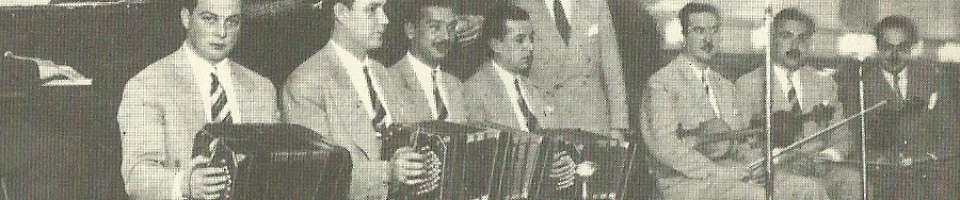
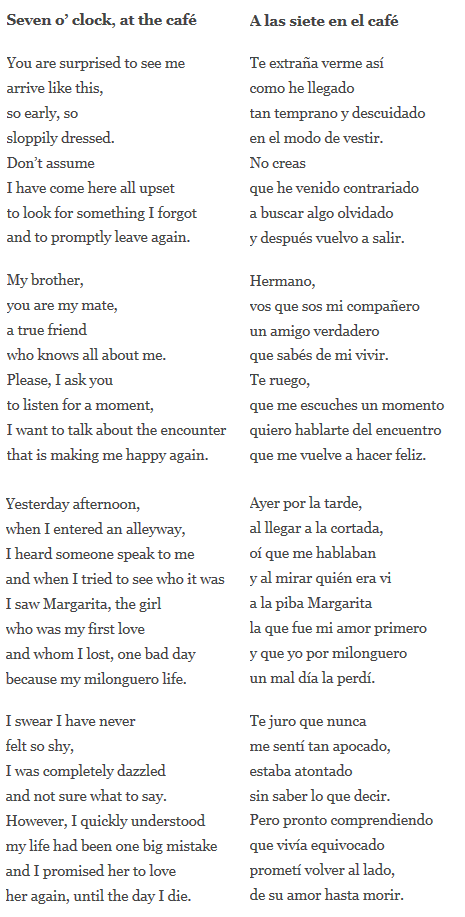
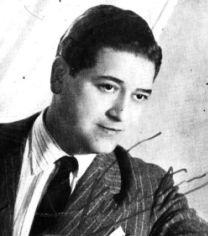
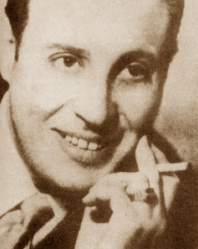
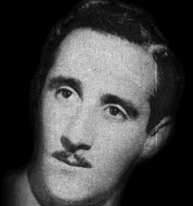
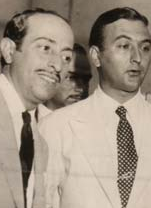
In my opinion, this ambiguous nature manifests itself above all in the singer Alberto Echagüe, who has left us more or less three categories of songs, namely: rather serious songs (No mientas, Indiferencia, Ansiedad…. to name just a few), ironic, tragicomic or simply silly songs (Yo me quedo con el tango, El hipo, Che existencialista) and a great deal of dubious cases that are full of lunfardo and cryptic language. In any case, I think he has the most ironic and typically mock serious voice of all tango singers.
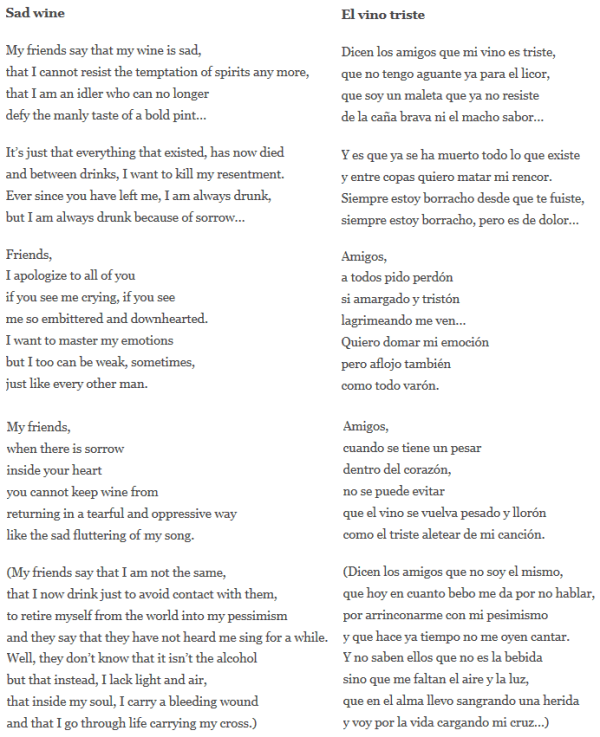
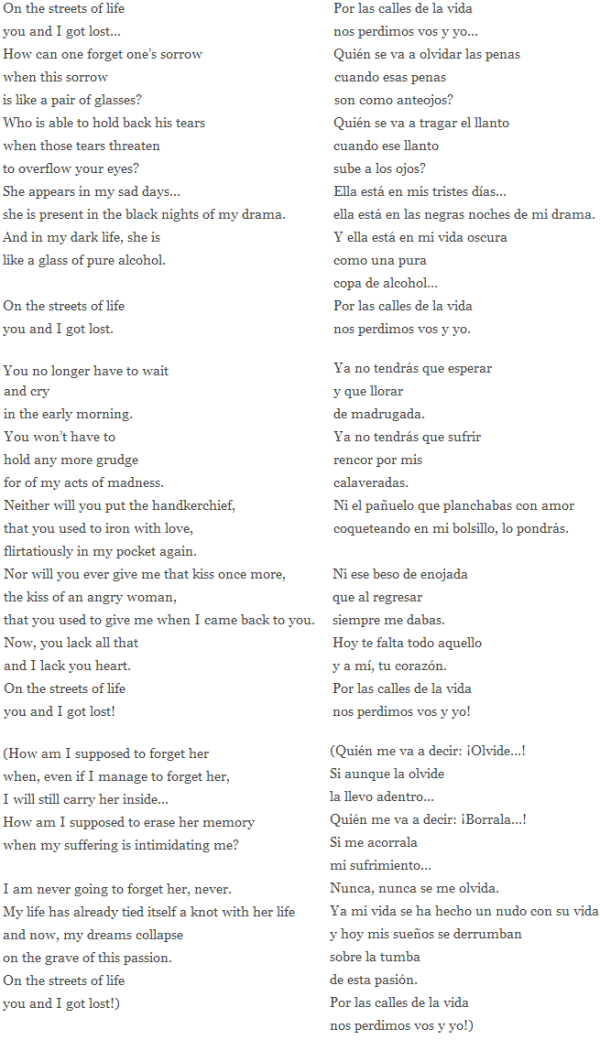
I started this post by mentioning a certain form of theatrical melancholy and you will perhaps recognize that in the following song, particularly if you listen to Echagüe’s version (1939). In contrast, the Laborde version (1954) and a few other options, listed below, have a much more authentic sadness to them. Tango is the anthem of the sensitive macho and songs like El vino triste may help you to find out why…
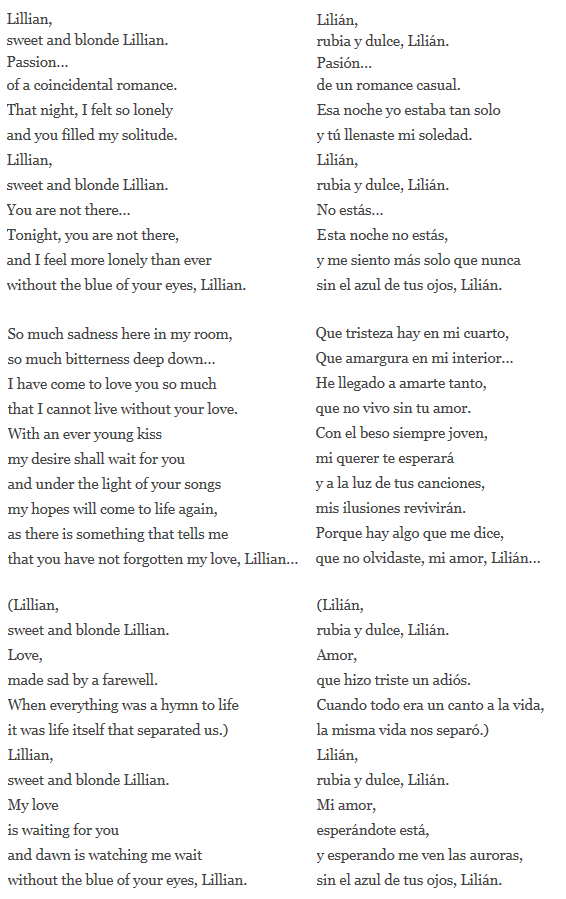
 One of tango’s most widely shared (but also controversial) rules of thumb is…. after the Golden Age came to an end, the later the recording, the worse the quality. There is a lot of music from the late fifties onwards that is often referred to by many DJs as ‘tango-for-exporty’ (adjective). As far as my opinion is concerned, most of that material is indeed not so suitable for dancing and there is certainly a great deal of newer music that feels a bit corny, a bit trite. I do listen to a lot of post-Golden-Age music because I study the lyrics, and I love to find alternative versions by soloists. What’s more, there are also quite a few interesting songs that are not suitable for dancing but still very interesting from a cultural point of view.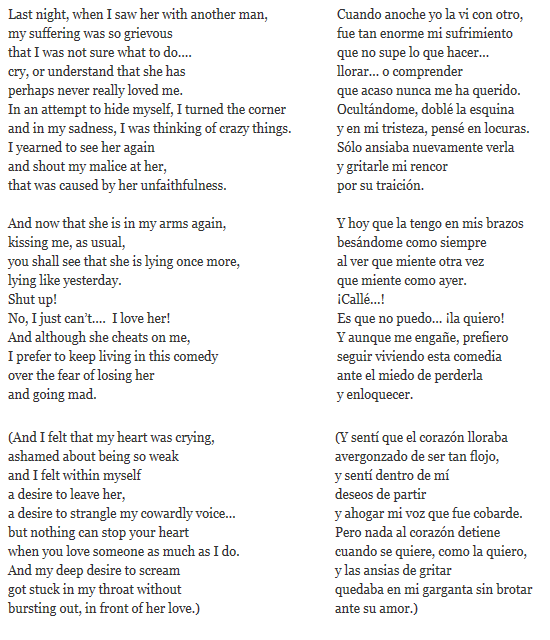
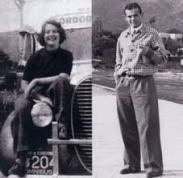

 Embrujamiento
You must be logged in to post a comment.