Fruta amarga

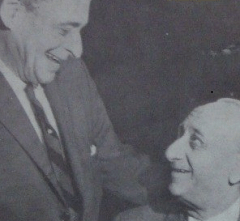
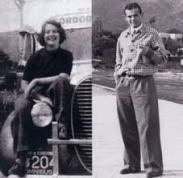
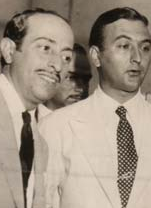
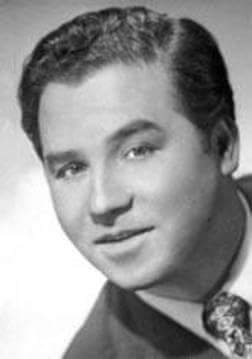
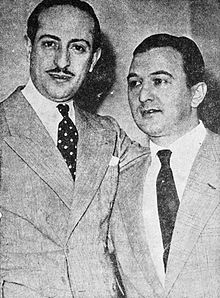
Photo: Alberto Marino
tmp_4313-12002951_1672318602984661_8795888412613751165_n-1755502689

Fruta amarga (Bitter fruit), lyrics by Homero Manzi

¡Corazón!
En aquella noche larga
maduró la fruta amarga
de esta enorme soledad.
¡Corazón!
¿En las nubes de qué cielo
la tristeza de tu vuelo
sin consuelo vagará?
Bien lo sé…
¡Aquel frío alucinante
de un instante, me cegó!
Fue en un viento de locura,
sin ternura, sin perdón.
Fue en el grito enronquecido
de un amor enloquecido
de dolor.

Heart!
During that long night back then,
the bitter fruit of this enormous
solitude became ripe.
Heart!
Through the clouds of what sky
will the sadness of your flight
wander without solace?
I know it all too well…
That hallucinating cold
blinded me in a flash.
It was a wind of insanity
without tenderness, without mercy.
It was the hoarse scream
of a love driven insane by sorrow.

Eras la luz de sol
y la canción feliz
y la llovizna gris
en mi ventana.
Eras remanso fiel
y duende soñador
y jazminero en flor
y eras mañana.
Suave murmullo…
Viento de loma…
Cálido arrullo
de la paloma.
Ya no serás jamás
aroma de rosal,
frescor de manantial
en mi destino.
Sólo serás la voz
que me haga recordar
que en un instante atroz
te hice llorar.

You were like sunlight,
you were a happy song,
the drizzle
on my window.
You were a loyal haven,
a dreamy spirit,
jasmine in bloom,
you were like the morning.
A soft murmur,
the breeze of the hills,
the warm cooing of a dove.
You will never again be
the scent of a rose bush,
the freshness of a natural spring
in my destiny.
All you will be is the voice
that keeps reminding me
that in one terrible moment
I made you cry.

(¡Ya no estás!
Y el recuerdo es un espejo
que refleja desde lejos
tu tristeza y mi maldad.
¡Ya no estas!
Y tu ausencia que se alarga
tiene gusto a fruta amarga,
a castigo y soledad.
¡Corazón!
Una nube puso un velo
sobre el cielo de los dos.
¡Y una nube solamente
de repente me perdió!
¡Una nube sin sentido,
sin clemencia, sin olvido,
sin perdón!)

(You are no longer there!
And my memories are a mirror
that reflects from afar
your sadness and my misdeed.
You are not there,
and your extending absence
has the taste of bitter fruit,
of punishment, of loneliness.
Heart!
A cloud spread out a veil
over the sky of the two of us.
And a cloud, simply,
suddenly made me lost.
A senseless cloud,
without mercy,
unable to forget,
without forgiveness.)
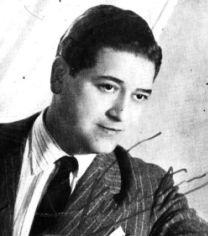
Youtube link (Troilo-Marino)

Acordándome de vos (vals)

fiorentino

Acordándome de vos (Remembering you), lyrics by Enrique Dizeo.

Recién pulsé la guitarra
con la intención de cantarte
el verso que te gustaba
y que hice para vos.
Y apenas pude empezarlo,
me ahogué en la primera parte
donde dice que no había
más amor que el de los dos.

I just plucked my guitar
attempting to sing
that verse you liked so much
and that I wrote for you.
I could barely even begin,
as I was stifled by the first part,
where it says there could be
no other love but ours.

Esto te prueba que el corazón
del que te extraña sabe sentir.
Tibio solcito de la mañana
ando sin ganas ya de vivir.
Solo, es inútil, no puedo estar,
mi pensamiento te aprisionó,
si no te olvido ni hoy que estás lejos,
ni hoy que estoy viejo, qué sufro yo.

This proves that the heart
of he who misses you
still feels affection.
Lukewarm morning sun,
I am left without desire to live.
I can’t be this alone, it’s all in vain,
you are locked up in my thoughts.
If I still can’t forget you now,
even when you are so far away,
even when I am so old,
how deep is my suffering!

Estoy que no me conozco
muriéndome de tristeza,
entre las cuatro paredes
del pobre cuarto que ayer
brillaba por lo limpito
y hoy ni se pone la mesa,
porque falta la patrona
que se fue con mi querer.

I do not recognize myself anymore,
like this, dying of sorrow,
between the four walls
of the miserable bedroom
which used to shine with cleanliness
and now, even the table is not set,
because of the absence of the lady
who disappeared with my love.

Youtube link (Troilo-Fiorentino)


De igual a igual

d agostino vargas

After a few months of sharing translations on Facebook again, I have also decided to revive my blog and intensify my translation work. The following tango is one of my favourite dance tracks ever.

De igual a igual (Rodolfo Sciammarella)

De tanto y tanto quererla
me ha entrado miedo,
miedo de perderla.
No puedo darme reposo,
estoy enamorado
y estoy celoso.
Mezcla de dulzura y de tormento
es este amor que en mi alma siento.
De tanto y tanto quererla
me ha entrado miedo
de no verla más.

Loving her so much
has made me afraid,
so afraid of losing her.
I cannot give myself a rest,
I am in love,
and I am jealous.
A mixture of sweetness and torment
is this love that I feel inside my soul.
Loving her so much
has made me afraid
of not seeing her.

A Dios le pido
que perdone mi egoísmo
pero quisiera
que sienta ella lo mismo,
que cuando esté lejos de mí
sienta un vacío
y necesite estar cerquita mío.

I ask God
to forgive my egoism
but I would like her
to feel the same,
that whenever she is far away,
she will feel empty
and long to be close to me.

Que también sienta
en sus ansias de quererme
el mismo miedo,
el miedo de perderme;
que tenga celos
de mi amor…
Que no será para su mal,
así estaremos
de igual a igual.

Let her, too, feel,
in her yearning for my affection
the same fear,
the fear of losing me.
Let her be jealous
of my love.
Let it not affect her negatively,
but this way, we will be
on an equal footing.

YouTube Link (D’Agostino-Vargas)


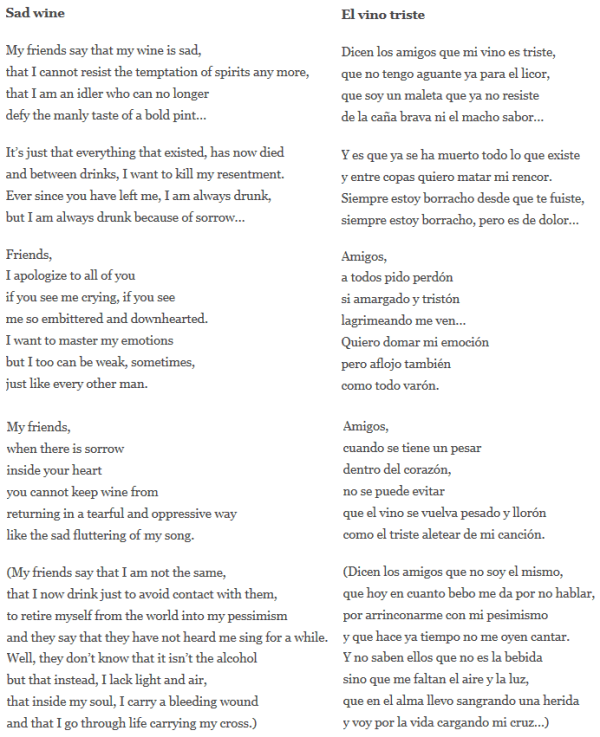
El vino triste [D’Arienzo-Echagüe]

darienzoechague

At first glance, tango seems to be extremely serious music in all its sadness and a big part of the lyrics is, indeed, focused on dramatic themes. However, sometimes this drama can be so over-the-top that the result is either intentionally or unintentionally hilarious.

In my opinion, this ambiguous nature manifests itself above all in the singer Alberto Echagüe, who has left us more or less three categories of songs, namely: rather serious songs (No mientas, Indiferencia, Ansiedad…. to name just a few), ironic, tragicomic or simply silly songs (Yo me quedo con el tango, El hipo, Che existencialista) and a great deal of dubious cases that are full of lunfardo and cryptic language. In any case, I think he has the most ironic and typically mock serious voice of all tango singers.

I started this post by mentioning a certain form of theatrical melancholy and you will perhaps recognize that in the following song, particularly if you listen to Echagüe’s version (1939). In contrast, the Laborde version (1954) and a few other options, listed below, have a much more authentic sadness to them. Tango is the anthem of the sensitive macho and songs like El vino triste may help you to find out why…

el vino triste

A las siete en el café [Caló-Ortiz]

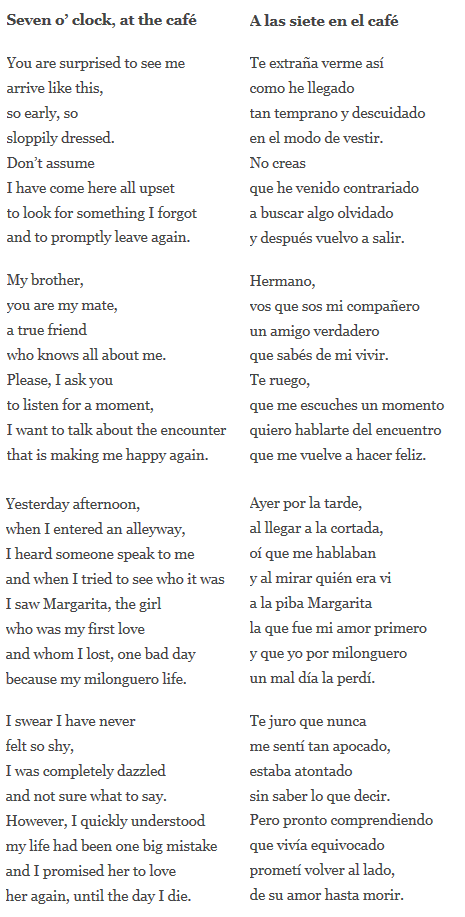
ortizThis blog has been featuring quite a lot of strong and dramatic lyrics and I repeat, tango is not for the faint of heart. However, there’s also an abundant amount of cheerful, funny and derisive material to be found. A quite amusing element in tango is, as far as I am concerned, the combination of lively music and sad or sarcastic lyrics, which tends to happen a lot. On the other hand, there are also a few tangos that combine a sad melody and happy lyrics, and today I will give an example of that.

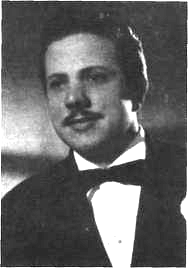
In my view, Jorge Ortiz has one of the most gloomy and desperate voices in the whole genre and he is rather famous among modern-day dancers because his tracks with Biagi are very popular. However, he has also done a couple of songs with Miguel Caló, which tend to sound much more dramatic than those with Raúl Berón. Therefore, it may come as a surprise to some that the following song is actually very cheerful (OK – while ignoring the sad overtone for a moment). By the way, I think this poem has an unique kind of flow, there is something very smooth about it, like an express train among tango lyrics.

a las siete en el cafe